
Home
/
Fish species
/
Bubble Eyes
Bubble Eyes
Origin
China
Habitat Size
50-150 Liters
Water Type
Fresh Water
Water Temperature
18º-22ºC
Cost in India
₹80 - ₹150
Size
2 - 6 inches (Small)
Diet
Omnivore

by Happy Pet TeamUpdated on 2 Dec 2025
Bubble Eye Fish Guide
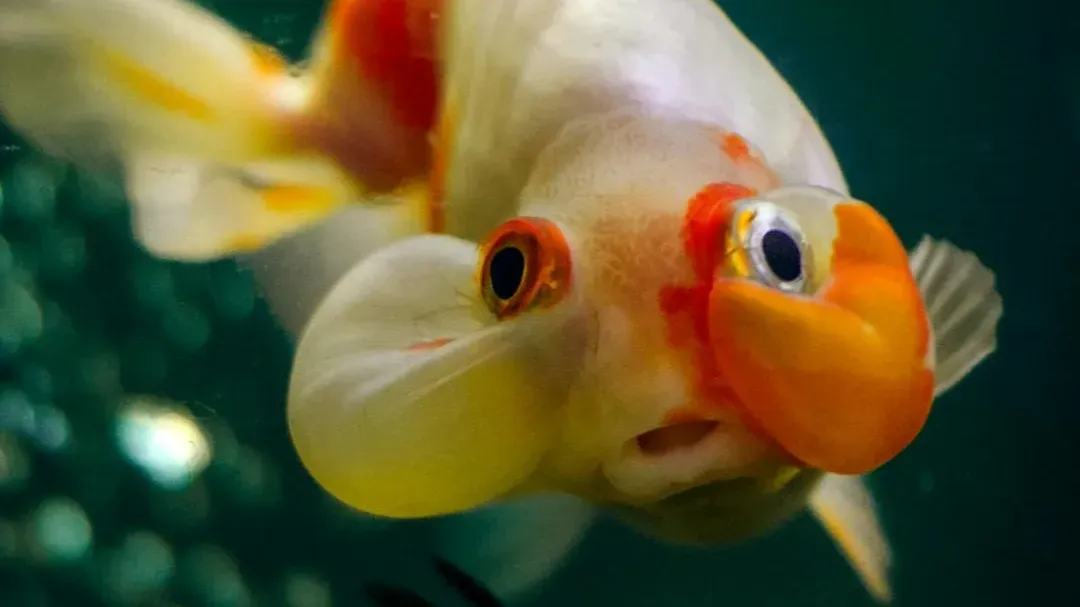
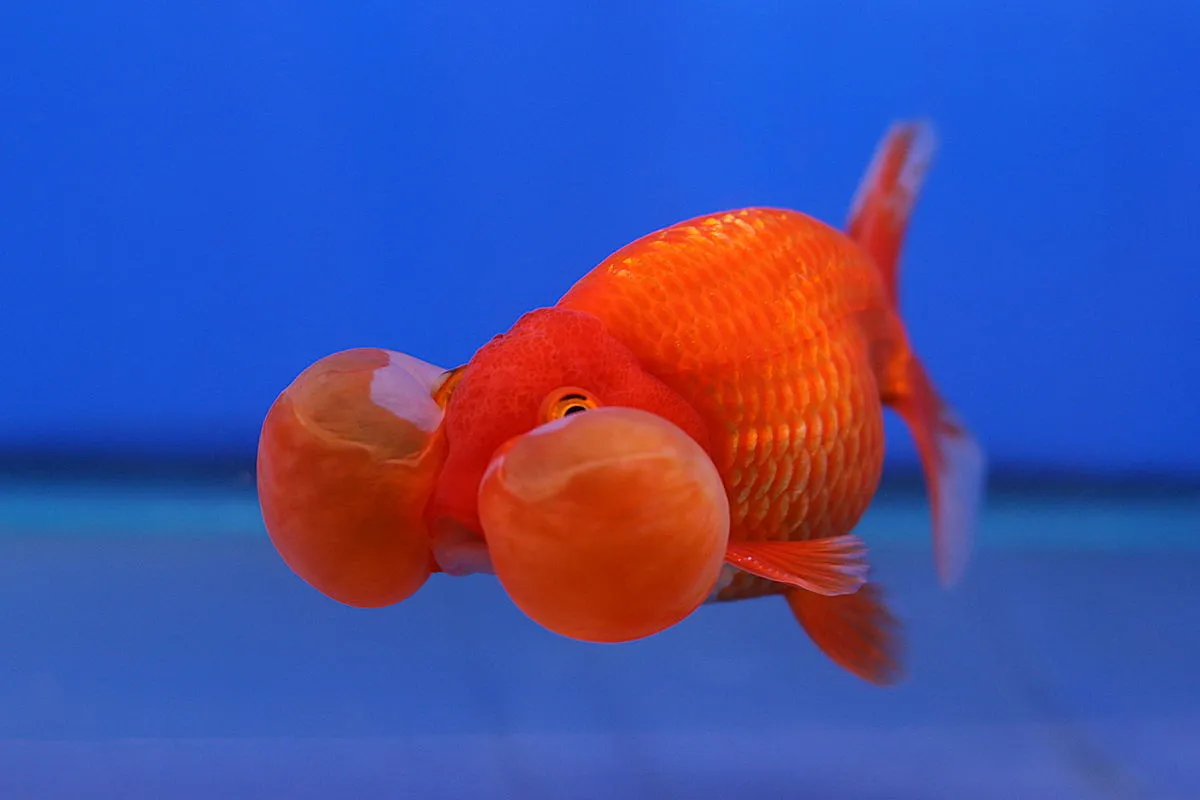
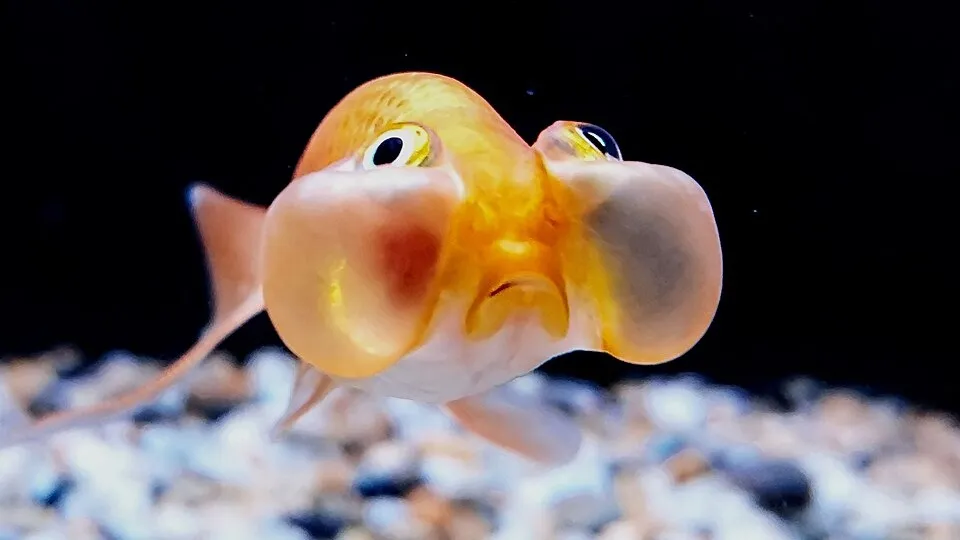
Bubble Eye is a fancy goldfish with two big, round fluid pouches under its eyes. These “bubbles” make it look very special and popular with goldfish lovers, but they are fragile. Bubble Eyes are slow swimmers and have no dorsal (top) fin, which gives them a soft, rounded shape.
Origin
- Bubble Eyes were developed from early goldfish breeds in Asia (China/Japan) by careful breeding over many years.
- They are a man-made variety and are not found in the wild.
Temperament
- Bubble Eyes are peaceful and calm.
- They swim slowly and like quiet tankmates.
- Because their vision and swimming are limited, they do best in gentle, low-competition tanks.
Bubble Eye Compatibility
Live well with other slow, fancy goldfish, for example:
- Other Bubble Eyes
- Black Moors
- Celestials
- Telescope Goldfish
- Celestial Goldfish
- Lionhead Goldfish
Avoid
- Fast, nippy, or very active fish and small shrimp that could pick at the eye pouches.
- Keep decorations soft and smooth so bubbles cannot be torn.
Bubble Eye Price in India
- In India, Bubble Eye goldfish prices vary by size and quality, and can range from ₹140 to ₹1,200 per fish (small/juvenile to larger/show quality)
Characteristics
Temperament
Aggressive
Friendly
Compatibility with other fishes
Not Friendly
Super Friendly
Habitat Size
Small
Large


Bubble Eye Habitat Requirements
Initial Setup Cost
₹4,000 - ₹12,000
Water Temperature
18º -22ºC
Water Type
Fresh Water
PH Level
6.5 - 7.5
Tank Type
- Freshwater, cold-water tank (goldfish family)
Bubble Eye Aquarium Size
- 20 gallons (about 75 liters) for one Bubble Eye
- Bigger is better because they are messy and need space
- If you keep more than one, increase the tank size
Water Conditions
- Temperature: 10–27 °C (55–80 °F)
- pH level: roughly 6.0–9.0 (safe range); aim near neutral (7.0)
- Water hardness: 6–12 dGH, typical for fancy goldfish
Environment Needs
- Keep the tank mostly open and free of sharp rocks, rough decorations, or long, pointed plants.
- Soft, broad-leaf plants (real or smooth artificial) are OK.
- Use gentle water flow — Bubble Eyes are poor swimmers, so strong currents push them around; baffle filter outflow if needed.
- Minimal substrate or a very smooth substrate reduces the chance that a fish will damage its eye pouches by digging.
Essential Equipment
Aquarium tank
Water filter
Heater
Light
Substrate
Bubble Eye Nutritional Guide
Avg Monthly Expenses
₹80 - ₹ 150
Diet Type

Suitable Foods
- High-quality goldfish flakes or pellets (slow-sinking or soaked pellets to avoid gulping air)
- Frozen or live foods (brine shrimp, daphnia) occasionally as a treat
- Blanched vegetables (peas, spinach) to help digestion
Bubble Eye Feeding Frequency & Tips
- Feed small amounts 2 times a day
- Only give what they finish in about 2 minutes
- Avoid overfeeding — goldfish produce a lot of waste and can get swim-bladder problems from too much food
- Soak pellets briefly in water before feeding to make them easier to eat

Bubble Eye Health & Care
Common Health Issues
Fin rot
White spot / ick
Fungus
Swim bladder inflammation
Parasites
Bacterial infections
Signs of good health
Active
Bright coloration
Good apetite
Signs of sickness
Loss of appetite
Lethargic behaviour
Dull coloring
Tattered fins
White growths
Bubble Eye goldfish need extra care because their delicate eye sacs and round bodies make them sensitive. Let’s look at some common Bubble Eye health problems they may face and how to keep them healthy and happy.
Eye pouch injury & infection
Bubble Eye sacs can burst from sharp objects, bites by tankmates, or sucking on an aquarium filter. Leaks from ruptured bubbles may either consist of a clear liquid or cause redness. Keep the fish in very clean water, and remove the cause, whether it is a sharp object or an aggressive fish. Many small wounds will heal themselves. When the area around the injury indicates infection (red and swollen with a cloudy aspect), the tank should be treated with a light antibacterial medication designed for aquarium use, and a vet who can treat pet fish should be consulted. Infected fish should be kept in a hospital tank until healed, to prevent reinfection of the tank.
Swim-bladder trouble & poor swimming
Because of their poor swimming ability (rounded body) and swim-bladder sensitivity, Bubble Eyes often get floaty/ sinking. Symptoms are tilting, upside-down swimming, or no steadiness. Causes may be too much food, a poor-quality diet, or dirty water. Withhold feed for one day to treat it quickly. Feed shelled peas to empty the gut and check the water quality. Most cases can be avoided through frequent water changes with a balanced diet.
Common infections & parasites (white spot/fin rot)
Like all goldfish, Bubble Eyes are susceptible to ich or bacterial fin rot, commonly due to poor water quality or stress. Infected fish may have white spots on their bodies and fins or frayed fins. They may become colorless and lethargic. If a common parasite is suspected, treat with parasite medications for aquaria, improve water quality, perform partial water changes, clean the filter, monitor water parameters, and consult a fish veterinarian if symptoms are severe.
Bubble Eye General Health Tips
- Keep water clean: test ammonia, nitrite, nitrate regularly and do partial water changes (20–30% weekly).
- Use a gentle filter return or a sponge on the outflow to protect bubbles.
- Watch feeding amounts and offer varied foods to prevent constipation and swim problems.
Prerequisites for a Fish
Adequate tank space
Cleanliness
Effort & commitment
Enriching Environment

Written by
Happy Pet TeamAuthor
Team Happy Pet is a passionate collective of pet experts, enthusiasts, and advocates dedicated to sharing trusted and insightful content.
Our cont
Frequently Asked Questions
Are Bubble Eyes compatible with other fish?
In an appropriately sized tank, they can be housed with other calm fish of a similar size and disposition.
How can I prevent swim bladder issues in Bubble Eyes?
To help prevent swim bladder problems, make sure their diet is varied, don't overfeed them, and keep the water clean.
Do Bubble Eyes require special care due to their eye sacs?
While their eye sacs are unique, they don't require special care beyond maintaining good water quality and providing a suitable diet.