
Home
/
Fish species
/
Bluelined Snapper
Bluelined Snapper
Origin
Indo-Pacific
Habitat Size
150-400 Liters
Water Type
Salt Water
Water Temperature
24º-28ºC
Cost in India
₹200 - ₹300
Size
10 - 16 inches (Medium)
Diet
Carnivore

by Happy Pet TeamUpdated on 2 Dec 2025
Bluelined Snapper Fish Guide
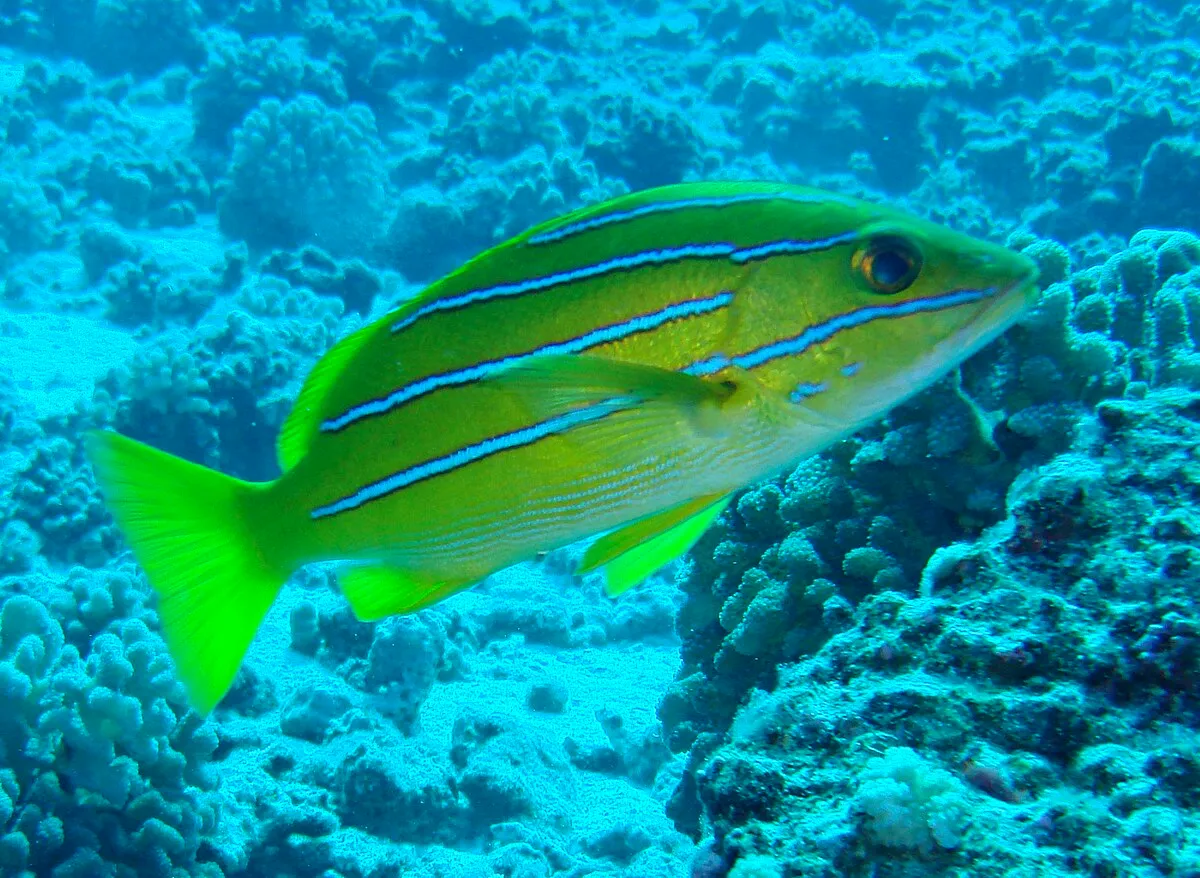
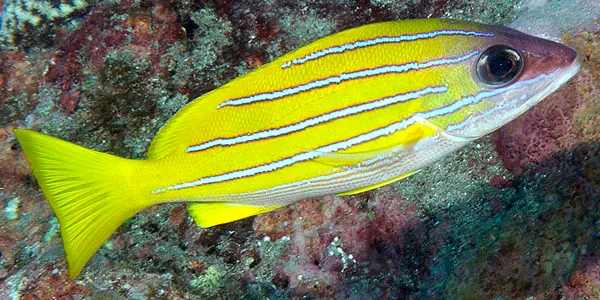
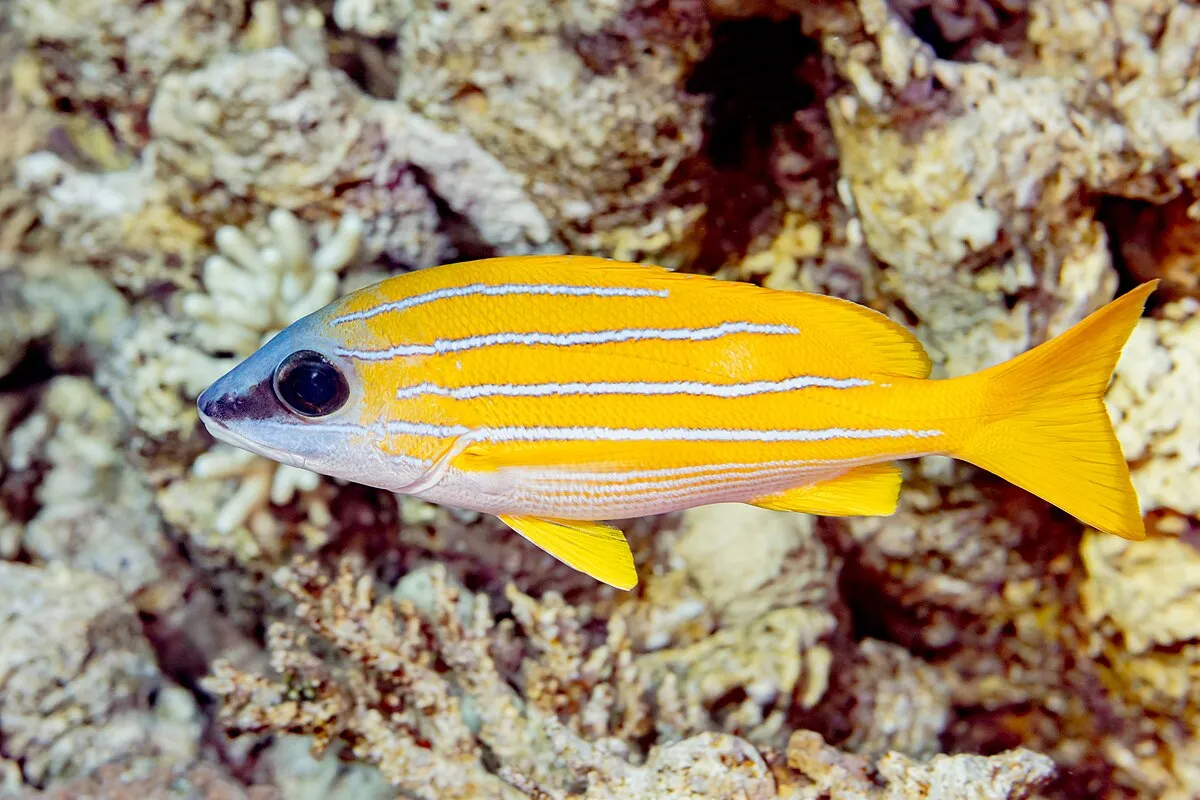
The Bluelined Snapper (Bluestripe) is a bright yellow fish with 3–4 thin, electric-blue lines running along its sides. Kids love it because it looks like a tiny yellow submarine with blue racing stripes. It is popular in reefs and big marine aquariums because it is colorful and often swims in groups.
Bluelined Snapper Origin
- Lives across the Indo-Pacific: from the Red Sea and East Africa through Indonesia to the central Pacific and Australia.
- It sometimes forms big schools around reefs, caves, or wrecks.
Temperament
- Usually schooling and peaceful with its own kind, but can be bold or eat very small animals
- It is not a shy fish and will swim actively during the day
- When kept alone or in a small tank, it may show more chasing or nipping
Compatibility
- Gets along with other medium-to-large, robust reef fish (groupers, larger wrasses) if the tank is large and there is space.
- Avoid very small gobies, shrimp, or tiny ornamental crabs — they can become snacks. Also, be careful with very timid species.
Bluelined Snapper Price
- Imported marine fish prices vary by size and supplier
- You can expect roughly ₹6,000 to ₹12,000 for a healthy medium-sized specimen in India
- Smaller juveniles cost less, large adults cost more
Characteristics
Temperament
Aggressive
Friendly
Compatibility with other fishes
Not Friendly
Super Friendly
Habitat Size
Small
Large


Bluelined Snapper Habitat requirements
Initial Setup Cost
₹10,000 - ₹30,000
Water Temperature
24º -28ºC
Water Type
Salt Water
PH Level
8.1 - 8.4
Tank type
- Saltwater (marine) aquarium only. Not for freshwater or simple reef tanks with delicate corals.
Bluelined Snapper Aquarium size
- Minimum 200 gallons (≈750 L) recommended for an adult or a small group—these fish like to swim and school. Smaller tanks stress them.
Water conditions
- Temperature: 24–28°C (75–78°F)
- pH: 8.0–8.4
- Hardness / Salinity: Normal marine salinity around 1.023–1.025 (specific gravity); moderate hardness
Bluelined Snapper Environment needs
- Plenty of open swimming space plus rockwork, caves, and ledges where they can shelter or school.
- Moderate lighting; lots of hiding spots help reduce chasing. Avoid keeping with tiny invertebrates you want to protect (shrimp, small crabs).
Essential Equipment
Aquarium tank
Water filter
Heater
Light
Substrate
Decor
Bluelined Snapper Nutritional Guide
Avg Monthly Expenses
₹200 - ₹ 300
Diet type

Carnivore/opportunistic omnivore — mainly meat-based
Suitable foods
- Frozen or fresh meaty foods such as:
- Shrimp
- Crabs
- Stomatopods
- Cephalopods
- Planktonic crustaceans
- High-quality marine pellets
- Flakes designed for carnivores
- Occasional algae or mixed foods are fine, but protein is key.
Feeding Frequency & Tips
- Feed 1–2 times a day for adults
- Juveniles may eat more often in smaller portions
- Offer varied foods (pellets + frozen meaty items) to keep color and health strong
- Remove uneaten food after a few minutes to keep the water clean

Bluelined Snapper Health & care
Common Health Issues
Fin rot
White spot / ick
Bacterial infections
Parasites
Fungal infections
Swim bladder disease
Signs of good health
Active
Bright coloration
Good apetite
Signs of sickness
Loss of appetite
Lethargic behaviour
Dull coloring
Swimming abnormally
Tattered fins
Bluelined Snapper common health issues
Marine Ich
Marine Ich appears as small white grains (like salt) on the skin and fins of infected fish. Symptoms include scratching, labored breathing, hiding, or loss of appetite, typically treated by quarantine and treatment with either a copper-based medication or hyposalinity in a separate tank, both of which kill free-swimming life stages. Treatments need to cover the entire life cycle. Keeping water quality high avoids copper toxicity, and good water quality and quarantine can help prevent outbreaks.
Marine Velvet
Velvet gives fish a dusty look, rapid breathing, clamped fins, and lethargy. It spreads rapidly and can be fatal. The most common treatments are formalin baths and anti-parasitic dips, although these must be done in a timely manner. Quarantine and water quality improvement are also important. As many treatments affect invertebrates, a sick fish should be treated in a separate tank.
External flukes and other parasites
External flukes attach onto the gills or skin, causing redness, respiratory distress, and rubbing. Gasping at the surface and poor color can also signal sickness. Treatment could include praziquantel or medicated baths. Dosing instructions should be followed; re-dosing may be required for some medications, and fish may need to be held in quarantine. Good water and food may help recovery.
Bacterial infections
Bacterial infections are uncommon, often following injury or stress (scrapes, poor water). Fish have red sores in addition to torn fins or white patches. Doctors treat the issue through antibiotics. They also control topical wounds and improve water quality. Early detection and maintenance of a clean, stress-free aquarium environment are the best preventative measures.
Bluelined Snapper General Health Tips
- Quarantine all new fish for 2–4 weeks and treat preventively
- Keep water stable and perform regular water changes
- Feed a varied, protein-rich diet and avoid overstocking
- Observe fish daily for changes in color, appetite, or behavior
Prerequisites for a Fish
Adequate tank space
Cleanliness
Effort & commitment
Enriching Environment

Written by
Happy Pet TeamAuthor
Team Happy Pet is a passionate collective of pet experts, enthusiasts, and advocates dedicated to sharing trusted and insightful content.
Our cont
Frequently Asked Questions
What are the signs of a healthy Bluelined Snapper?
Signs of good health include being active, having bright coloration, and a good appetite.
Are Bluelined Snappers compatible with other fish?
They can be moderately compatible with other fish, but it's important to choose tank mates carefully and provide ample space to reduce aggression.
How can I prevent diseases in my Bluelined Snapper?
Maintain optimal water quality, provide a balanced diet, quarantine new fish, and regularly clean the tank to prevent diseases.