
Home
/
Fish species
/
Blood Parrot Cichlid
Origin
Taiwan
Habitat Size
150-400 Liters
Water Type
Fresh Water
Water Temperature
24º-28ºC
Cost in India
₹200 - ₹300
Size
7 - 10 inches (Medium)
Diet
Omnivore

by Happy Pet TeamUpdated on 2 Dec 2025
Blood Parrot Cichlid Fish Guide
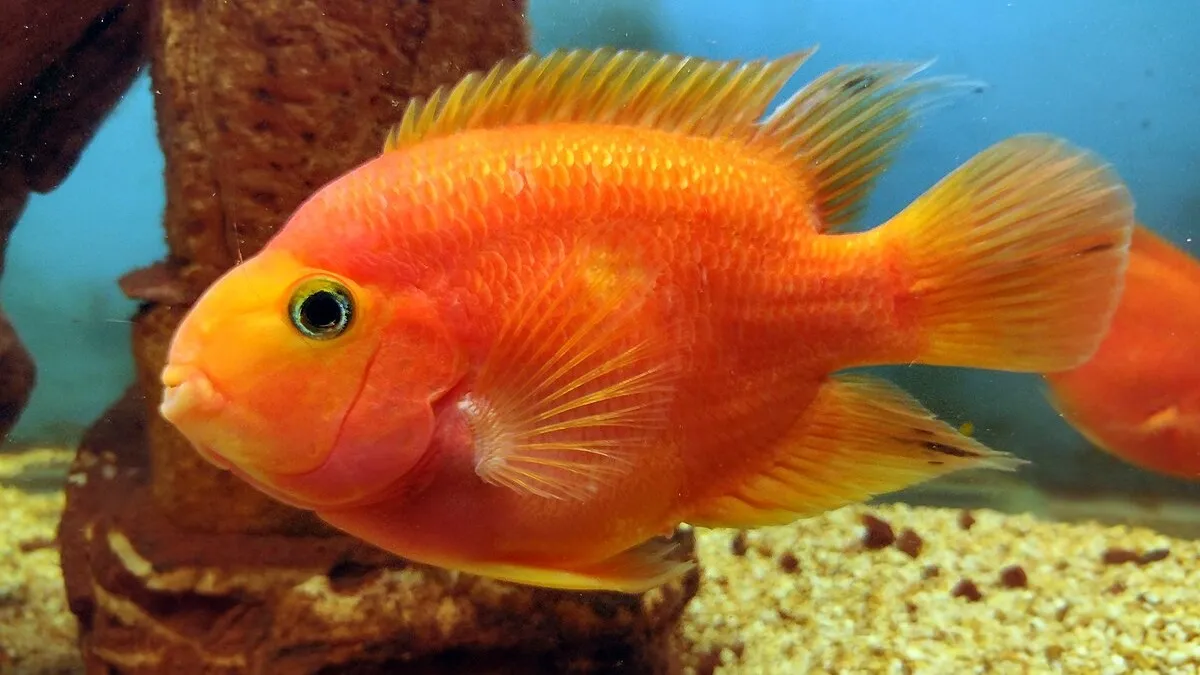
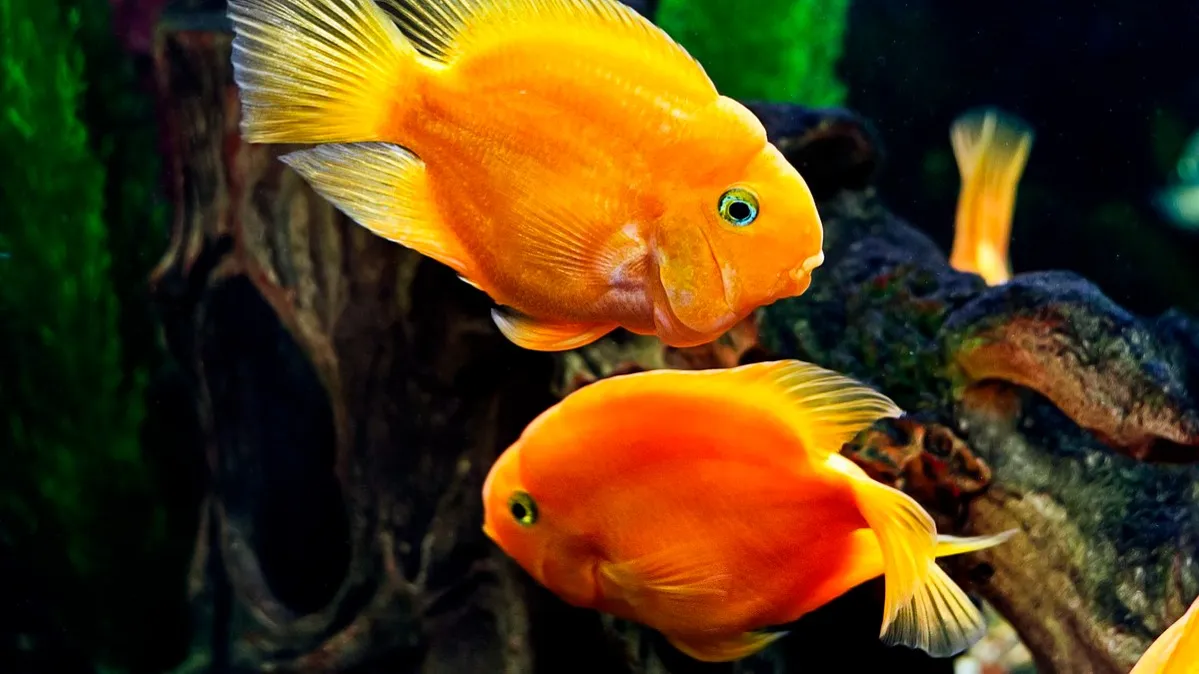
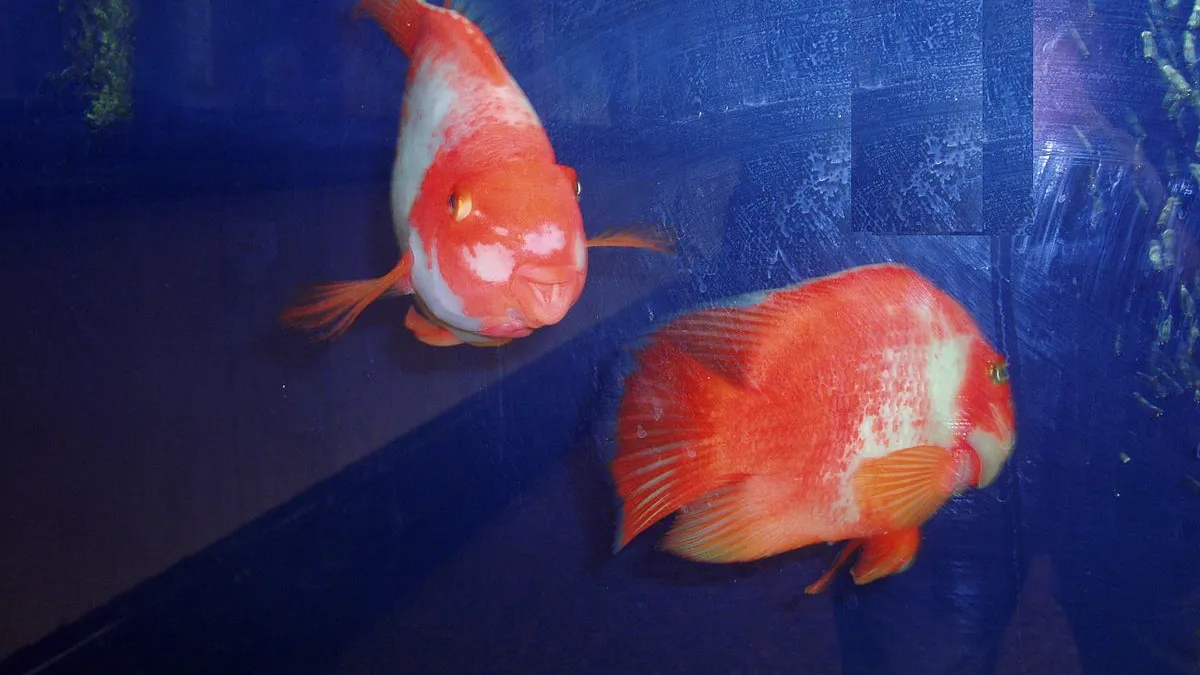
The Blood Parrot Cichlid (Amphilophus citrinellus × Vieja melanurus) is a striking freshwater fish known for its bright orange-red body and “beak-like” small mouth. It’s quite popular among hobbyists because of its cheerful colors and friendly, curious behavior. What makes it unique is that it is a human-made hybrid (not found in nature) with some unusual body shapes and features that set it apart from more common aquarium fish.
Origin
- This fish was first created in Taiwan around 1986 by breeding two different cichlid species
- Because it's a hybrid, it doesn’t have a “wild” habitat in nature — it was bred for aquariums
Temperament
- Generally, they are peaceful to semi-aggressive: they will explore, interact with you, and often become used to their keepers.
- However, when crowded or kept with aggressive tank-mates, they can become territorial or show fin-nipping behavior.
Blood Parrot Cichlid Compatibility
Good tank-mates:
- Other medium-to-large peaceful fish that won’t be eaten and won’t bully them:
- Barbs
- Larger, deep-bodied Tetrafish
- Severum Cichlids
- Firemouth Cichlids
- Acara Cichlids
- Catfish
- Danios
To avoid:
- Very small fish (which may be seen as food), and extremely aggressive cichlids that may bully them.
Blood Parrot Cichlid Price in India
- In India, you can expect a Blood Parrot Cichlid to cost somewhere ₹ 1,500 to ₹ 4,000, depending on size, color intensity, and local availability
Characteristics
Temperament
Aggressive
Friendly
Compatibility with other fishes
Not Friendly
Super Friendly
Habitat Size
Small
Large


Blood Parrot Cichlid Habitat Requirements
Initial Setup Cost
₹10,000 - ₹30,000
Water Temperature
24º -28ºC
Water Type
Fresh Water
PH Level
6.5 - 7.5
Tank Type
- Freshwater only
- Because they are hybrid, there is no natural habitat to copy exactly — we replicate conditions friendly to cichlids.
Blood Parrot Cichlid Aquarium Size
- For one adult fish, at least 100 liters (≈ 30 US gallons) is recommended.
- If you keep more than one, increase the size accordingly so each has space.
Water Conditions
- Temperature range: about 22–28 °C (76–80 °F) is acceptable.
- pH level: around 6.5 to 7.4 (moderate) works.
- Water hardness: 6-18 dGH works.
Blood Parrot Cichlid Environment Needs
- Provide hiding places: caves, driftwood, rocks where the fish can retreat.
- Substrate: fine sand or soft gravel is better because they may dig or rummage.
- Plants: Use sturdy plants (or artificial ones) because they may uproot soft ones. Provide some open swimming space.
- Filtration: strong enough to handle waste — these fish produce moderate waste, so regular water changes and good filtration are important.
Essential Equipment
Water filter
Heater
Light
Substrate
Aquarium tank
Blood Parrot Cichlid Nutritional Guide
Avg Monthly Expenses
₹200 - ₹ 300
Diet Type

- Omnivore – they eat both animal protein and plant matter (or commercial pellet flake + vegetable bits).
Blood Parrot Cichlid Suitable Foods
- Sinking cichlid pellets (since their mouth is small and they may struggle for surface food).
- Occasional frozen/live treats: e.g., bloodworms, brine shrimp.
- Some vegetable matter or peas (for fiber) may help.
Feeding Frequency & Tips
- Feed once or twice a day in small amounts that they can eat in a few minutes.
- Because of their small mouth shape, ensure they aren’t out-competed by faster fish — consider feeding separately or using slow-sinking pellets.
- Remove uneaten food promptly to maintain good water quality.

Blood Parrot Cichlid Health & Care
Common Health Issues
Fin rot
White spot / ick
Swim bladder inflammation
Bacterial infections
Fungal infections
Parasites
Signs of good health
Active
Bright coloration
Good apetite
Signs of sickness
Loss of appetite
Lethargic behaviour
Dull coloring
Tattered fins
White growths
Blood Parrot Cichlids need good water conditions, good nutrition, and a proper environment of their own to thrive like other aquarium fish, but these fish can suffer from a number of common ailments, of which fish keepers should be wary.
Swim Bladder Problems
Hybridization may cause swim bladder or internal organ deformities in some blood parrot cichlids, so they can be seen floating, swimming sideways, or swimming upside down. Recommendations to address these issues are shelled peas, not overfeeding, balanced diets, and good water conditions.
“Ich” / White Spot Disease & Bacterial Infections
Poor water quality with high ammonia/nitrite/nitrate, bullying from tank mates, or unsuitable tank mates may cause parasitic disease like ich, white spots trending dermally, or bacterial disease like fins erode or eyes cloud. Preventive measures that are recommended are maintaining water quality, avoiding tank mates for bullying, quarantining new fish, and using good water filtration. In case fish become infected, separate them from the others, then medicate.
Stress-Related Issues & Deformity-Caused Feeding Problems
Blood Parrots have a beak and an unusual body shape, which may prevent them from competing for food. Signs of stress include dark spots, hiding, and loss of appetite. Provide hiding areas if possible, compatible tankmates, and feed separately if possible.
Blood Parrot Cichlid General Health Tips
- Monitor water parameters (temperature, pH, hardness, ammonia, nitrite, nitrate) regularly.
- Provide a stable environment, avoid rapid changes in water chemistry or temperature.
- Purchase fish of high quality from dealers with good reputations, avoid fish that are dyed and fish that are mutilated, since they typically do not live very long.
- Daily check fish for good appetite, normal coloring, and natural swimming behavior.
Prerequisites for a Fish
Adequate tank space
Cleanliness
Effort & commitment
Enriching Environment

Written by
Happy Pet TeamAuthor
Team Happy Pet is a passionate collective of pet experts, enthusiasts, and advocates dedicated to sharing trusted and insightful content.
Our cont
Frequently Asked Questions
What do Blood Parrot Cichlids eat?
They are omnivores and require a varied diet of high-quality pellets, live or frozen foods, and vegetable matter.
Are Blood Parrot Cichlids suitable for beginners?
Blood Parrot Cichlids are best suited for intermediate aquarists due to their specific care requirements.
Do Blood Parrot Cichlids need a heater?
Yes, a heater is necessary to maintain a stable water temperature between 24°C and 28°C for Blood Parrot Cichlids.