Home

/

Fish species

/

Bleeding Heart Tetra

Bleeding Heart Tetra

Origin

South America

Habitat Size

50-150 Liters

Water Type

Fresh Water

Water Temperature

24º-28ºC

Cost in India

₹80 - ₹150

Size

2 - 2.5 inches (Small)

Diet

Omnivore
Bleeding Heart Tetra
written by image

by Happy Pet TeamUpdated on 2 Dec 2025

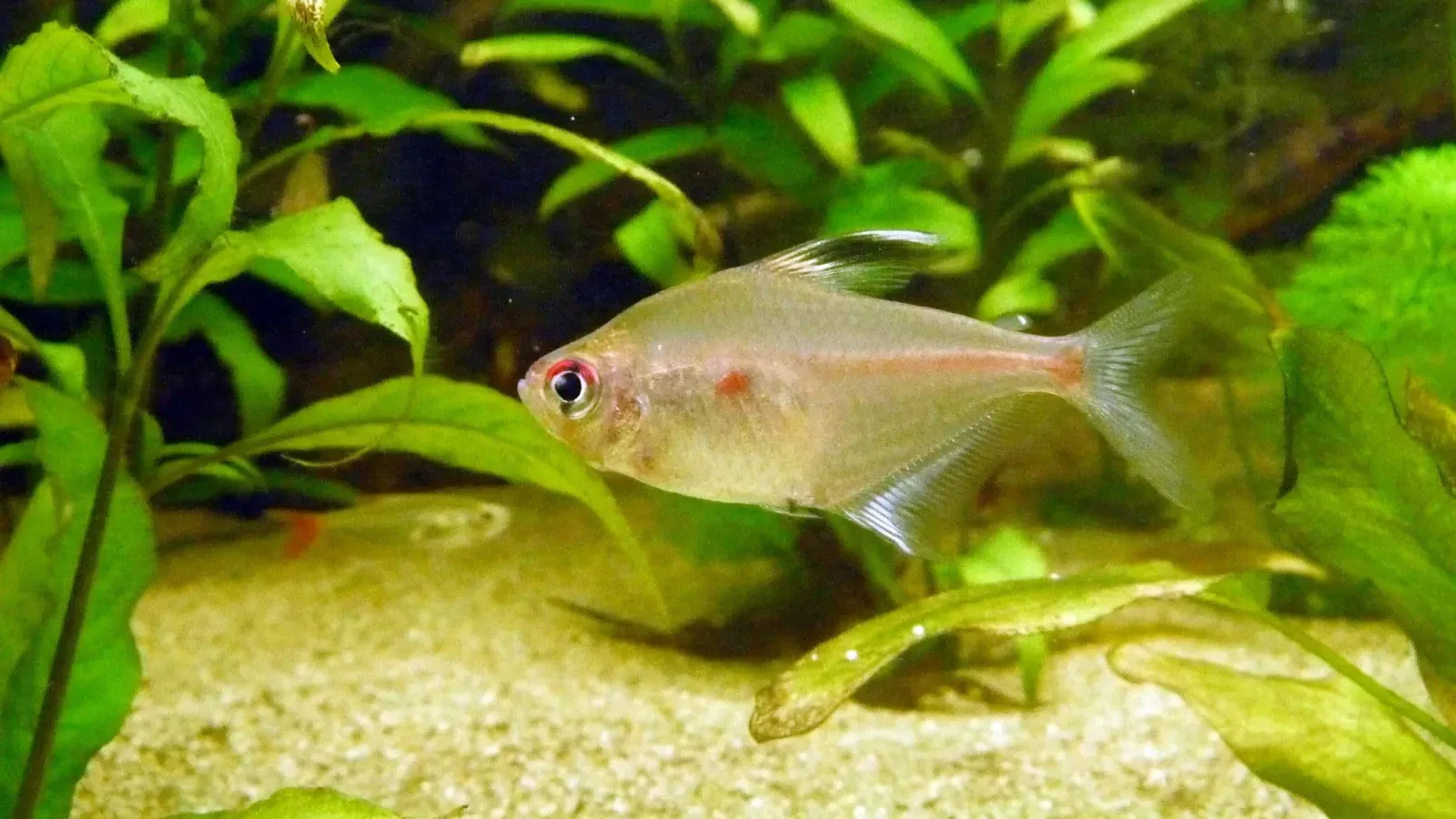
The Bleeding Heart Tetra is a small, pretty freshwater fish with a pale pink-beige body and a bright red spot near its side that looks like a tiny “bleeding heart.” It is loved by hobbyists because of its gentle looks and calm behavior, and it becomes more beautiful when kept in groups.

Origin

  1. Native area: Upper Amazon basin in South America (the river areas where Brazil, Peru, and Colombia meet).

Bleeding Heart Tetra Temperament

  1. Peaceful and calm
  2. Social — it prefers to live in groups of 5 or more (shoals)

Compatibility

Good tankmates:

  1. Other peaceful, medium-sized community fish, such as:
  2. Angelfish
  3. Eartheaters
  4. Rasboras
  5. Larger tetras
  6. Calm gouramis
  7. Peaceful corydoras

Avoid:

  1. Very small fishes that can be nipped such as guppies or very large, aggressive predators.

Bleeding Heart Tetra Price Range

  1. Typical estimate in India: ₹150 – ₹500 per fish (depends on size and availability)
  2. Rare or imported specimens cost more

Characteristics

Temperament

Aggressive

Friendly

Compatibility with other fishes

Not Friendly

Super Friendly

Habitat Size

Small

Large

about image

Bleeding Heart Tetra Habitat Requirements

Initial Setup Cost

₹4,000 - ₹12,000

Water Temperature

24º -28ºC

Water Type

Fresh Water

PH Level

6 - 7.5

Bleeding Heart Tetra Tank Type

  1. Freshwater (tropical)

Aquarium Size

Minimum tank

  1. 60–80 cm long (roughly 40–75 liters) for a small shoal
  2. Bigger is better because they like to swim in groups

Bleeding Heart Tetra Water Conditions

  1. Temperature range: 23–28°C (72–82°F)
  2. pH level: 5.5 – 7.0 (slightly acidic water)
  3. Water hardness: 12 degrees, soft to moderately soft water

Environment Needs

  1. Add lots of hiding spots to mimic their natural blackwater creeks, such as:
  2. Driftwood
  3. Bogwood
  4. Dense plants
  5. Dim or medium light helps plants grow and eases stress in fish
  6. Regular filters and partial water changes aid in water maintenance

Essential Equipment

Aquarium tank

Water filter

Heater

Light

Substrate

Bleeding Heart Tetra Nutritional Guide

Avg Monthly Expenses

₹80 - ₹ 150

Bleeding Heart Tetra Diet Type

  1. Omnivore

Suitable Foods

  1. High-quality flakes or micro-pellets made for tetras
  2. Live or frozen treats:
  3. Daphnia
  4. Brine shrimp
  5. Bloodworms (small amounts)
  6. Occasionally, tiny vegetable pieces or algae wafers

Bleeding Heart Tetra Feeding Frequency & Tips

  1. Feed once or twice a day a small amount they can finish in 1–2 minutes
  2. Give a varied diet so they get all nutrients
  3. Overfeeding makes water dirty, so remove uneaten food quickly
about image

Bleeding Heart Tetra Health & Care

Common Health Issues

Fin rot

White spot / ick

Columnaris (cotton wool-like growth on the skin)

Velvet disease (yellowish-brown spots on the skin)

Bacterial infections

Parasitic infections

Signs of good health

Active

Good apetite

Bright coloration

Signs of sickness

Loss of appetite

Lethargic behaviour

Dull coloring

White growths

Reduced activity

Bleeding Heart Tetras are generally hardy when kept in good water and a calm tank. But like all fish, they can get illnesses if the water is dirty, the temperature changes a lot, or they are stressed. Watching them daily helps catch problems early.

Ich (White Spot Disease)

A common parasite that shows tiny white dots on the fish’s body and fins. Fish may scratch on objects and breathe fast. To cure that, slowly raise temperature a bit (only if tankmates allow), use a reliable anti-Ich medicine, and do water changes to keep water clean. Quarantine sick fish if possible.

Fin rot

Fins look ragged, frayed, or have a dark edge. Often caused by poor water or injuries. To cure that, improve water quality. Also, partially change water and treat with a broad-spectrum antibiotic or an antibacterial fish medication as instructed.

External parasites / gill parasites

Affected fish may be seen breathing rapidly, sluggish and also with fins held tightly against the body. Treatment includes fixing water quality. Salt baths are useful if right for the species. Anti-parasitic medications remain another option. Consult a vet or fish expert for more information.

Bleeding Heart Tetra General Health Tips

  1. Keep water clean with regular partial exchanges (for example, 20–30% weekly)
  2. Avoid sudden temperature or pH shifts
  3. Quarantine new fish for 2–3 weeks before adding to the main tank to prevent disease spread
  4. Feed a varied diet and don’t overfeed

Prerequisites for a Fish

Adequate tank space

Cleanliness

Effort & commitment

Enriching Environment

written by image

Written by

Happy Pet Team

Author

Team Happy Pet is a passionate collective of pet experts, enthusiasts, and advocates dedicated to sharing trusted and insightful content.

Our cont
 

Frequently Asked Questions

What water conditions are best for Bleeding Heart Tetra?

They prefer a water temperature of 24°C to 28°C and a pH level between 6.0 and 7.5. Maintaining stable water parameters is crucial for their health.

How long do Bleeding Heart Tetras live?

They typically live for 5-8 years with proper care, including a suitable environment and a balanced diet.

What kind of habitat setup is best for Bleeding Heart Tetra?

A well-planted aquarium with plenty of hiding spots and a dark substrate mimics their natural habitat and helps reduce stress.