Home

/

Fish species

/

Black Skirt Tetra

Black Skirt Tetra

Origin

South America

Habitat Size

50-150 Liters

Water Type

Fresh Water

Water Temperature

22º-28ºC

Cost in India

₹80 - ₹150

Size

2 - 3 inches (Small)

Diet

Omnivore
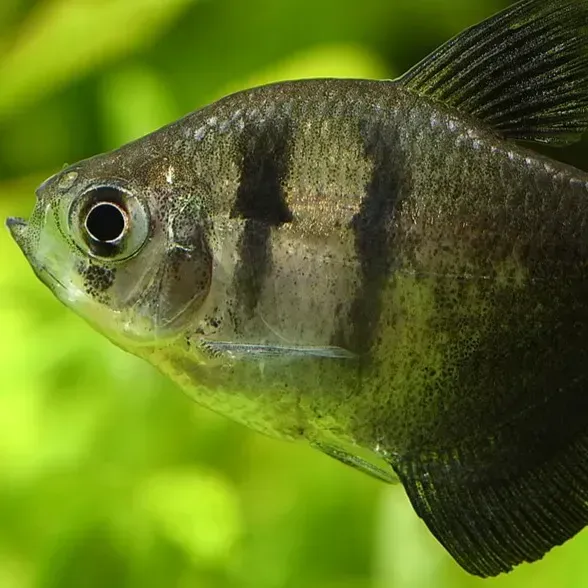
Black and gray fish with vertical stripes swims right against a bright green background
written by image

by Happy Pet TeamUpdated on 2 Dec 2025

The Black Skirt Tetra is a small, round-bodied fish with a shiny silver body and a dark “skirt” of black along its fins. People love them because they move in groups, make tanks look lively, and are fairly easy to care for. They are also called Black Widow or Petticoat tetra.

Origin

  1. Native to rivers in South America (mainly the Paraguay basin)
  2. They became popular in aquariums long ago because they adapt well to home tanks

Black Skirt Tetra Temperament

  1. Generally peaceful and curious.
  2. Schooling fish: they feel safe and look best in groups.
  3. Can nip fins if kept alone or stressed, so group size matters.

Compatibility

Good tank mates:

  1. Cardinal Tetra
  2. Harlequin Rasbora
  3. Dwarf Gourami
  4. Neon Tetra
  5. Celestial Pearl Danio
  6. Honey Gourami
  7. Chili Rasbora
  8. Cory Catfish
  9. Bolivian Rams

Avoid

  1. Slow-moving long-finned fish (like fancy bettas or angelfish with very long fins) and very small fry that might be eaten

Black Skirt Tetra Price in India

  1. In India, Black Skirt Tetras are very affordable — often around ₹30–₹150 per fish, depending on size and shop.

Characteristics

Temperament

Aggressive

Friendly

Compatibility with other fishes

Not Friendly

Super Friendly

Habitat Size

Small

Large

about image

Black Skirt Tetra Habitat requirements

Initial Setup Cost

₹4,000 - ₹12,000

Water Temperature

22º -28ºC

Water Type

Fresh Water

PH Level

6 - 7.5

Tank type

  1. Freshwater tropical

Black Skirt Tetra Aquarium size

  1. Minimum 40 liters (15 - 20 gallons) for a small school (6–8 fish)
  2. Bigger is better — schools need space to swim

Water conditions

  1. Temperature: 22–28°C (70–85°F)
  2. pH: 6.0–7.5 (they tolerate slightly acidic to neutral water)
  3. Hardness: Soft to moderately hard water is fine

Black Skirt Tetra Environment needs

  1. Add live or silk plants and a few hiding spots (driftwood or smooth rocks) so they can retreat
  2. Leave open swimming areas — they like to glide in the middle of the tank
  3. Gentle filter flow — they come from slow-moving waters

Essential Equipment

Aquarium tank

Water filter

Heater

Light

Substrate

Black Skirt Tetra Nutritional Guide

Avg Monthly Expenses

₹80 - ₹ 150

Diet type

  1. Omnivore

Black Skirt Tetra Suitable foods

  1. High-quality flakes or micro pellets as the main food.
  2. Treats: frozen or live brine shrimp, daphnia, bloodworms (small amounts)
  3. Occasionally offer blanched vegetable bits (tiny pieces of spinach or zucchini)

Feeding frequency & tips

  1. Feed small portions 1–2 times a day that they finish in about 2 minutes
  2. Vary their food so they get proteins and plant matter
  3. Overfeeding causes poor water quality, so keep portions small
about image

Black Skirt Tetra Health & care

Common Health Issues

Fin rot

White spot / ick

Columnaris (cotton wool-like growth on the skin)

Ammonia poisoning

Parasitic infections

Fungal infections

Signs of good health

Active

Bright coloration

Good apetite

Signs of sickness

Loss of appetite

Lethargic behaviour

Dull coloring

Tattered fins

Frequent hiding

As with any other fish, the Black Skirt Tetra can suffer from decreased health if water conditions, diet, or stress levels are unsatisfactory. Black Skirt Tetra common health issues and their treatments are as follows:

Ich (white spot disease)

Ich shows as tiny white dots on the body and fins and makes fish scratch against objects. To treat, raise the water temperature slowly for a few days and use a reliable ich medication as directed on the package. Keep water clean and do small water changes during treatment to reduce stress. Early treatment usually clears it quickly.

Fin rot/Torn fins

Signs of fin rot are a frayed or discolored edge on the fin. If a fish appears to have torn fins from nipping, separate the overly aggressive fish and perform partial water changes. You can give antibacterial aquarium medication if the edges look fuzzy or are infected. But vitamins in the diet can help regrow fins, as can good water quality and fewer stressors.

Swim bladder problems/bloating

A fish that swims or floats in a disorganized fashion may have swim bladder disorders, which can be caused by overfeeding or constipation. Fast the fish for 24-48 hours, and after that, give a very small piece of skinned, cooked pea to clear the gut. Ensuring good water quality and a varied diet can prevent recurrences.

Black Skirt Tetra General health tips

  1. Changing some of the water regularly and partially (20-30% weekly) will keep pollution from rising to high levels
  2. New fish should be quarantined for at least a week prior to being added to the tank
  3. Watch for your school's early warning signs, including sudden hiding, clamped fins, and loss of color
  4. Sufficient nutrition and stable water conditions prevent most diseases

Prerequisites for a Fish

Adequate tank space

Cleanliness

Effort & commitment

Enriching Environment

written by image

Written by

Happy Pet Team

Author

Team Happy Pet is a passionate collective of pet experts, enthusiasts, and advocates dedicated to sharing trusted and insightful content.

Our cont
 

Frequently Asked Questions

What type of diet do Black Skirt Tetras require?

Black Skirt Tetras are omnivores and require a varied diet that includes high-quality flake foods, live or frozen brine shrimp, daphnia, bloodworms, and vegetable matter like blanched spinach.

Are Black Skirt Tetras suitable for beginners?

Yes, Black Skirt Tetras are suitable for beginners due to their hardy nature and low maintenance requirements.

Do Black Skirt Tetras require special maintenance?

They have low maintenance requirements but benefit from regular water changes and a clean, well-maintained tank.