
Home
/
Fish species
/
Black Molly
Black Molly
Origin
Central America
Habitat Size
50-150 Liters
Water Type
Brackish
Water Temperature
24º-28ºC
Cost in India
₹80 - ₹150
Size
2 - 6 inches (Small)
Diet
Omnivore

by Happy Pet TeamUpdated on 2 Dec 2025
Introduction of the Black Molly
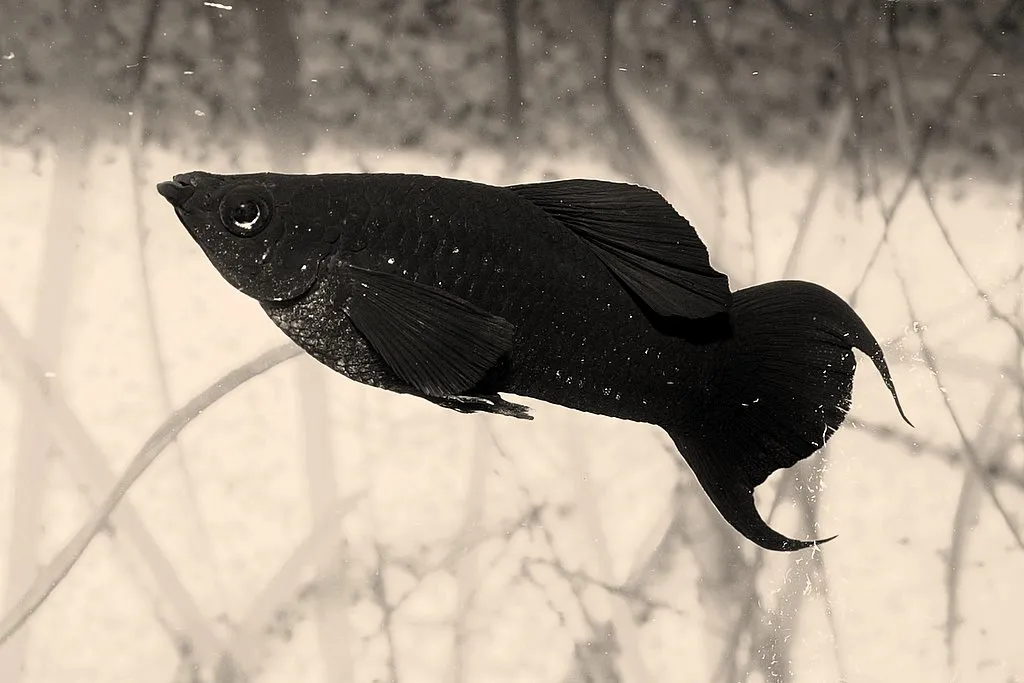
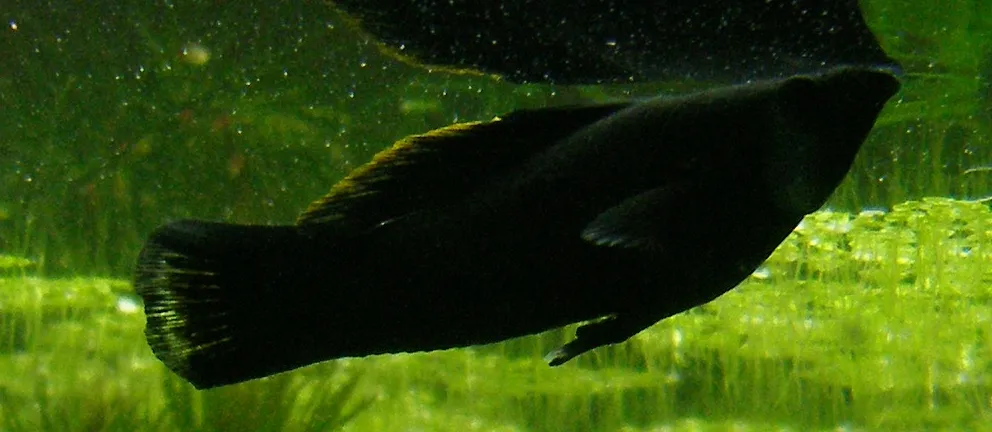
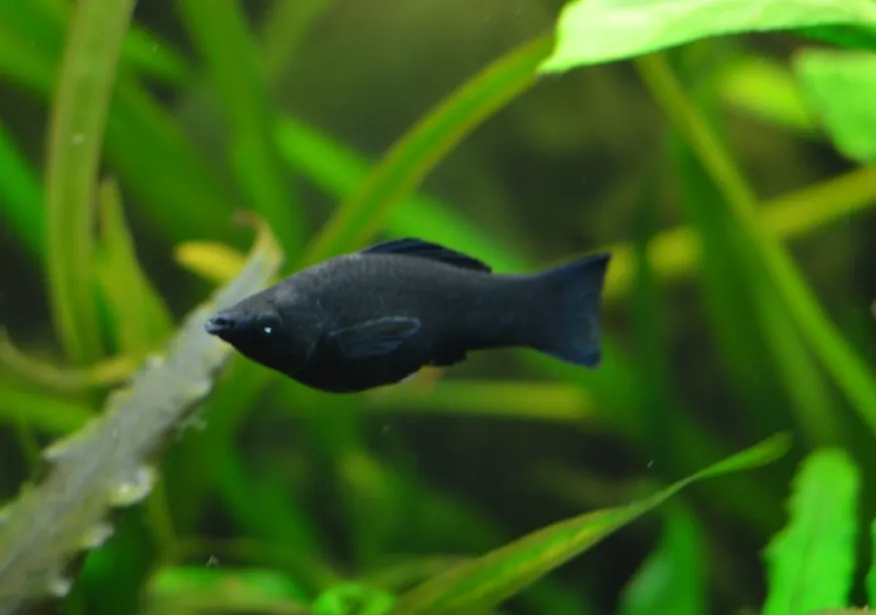
The Black Molly (Poecilia sphenops) ranks as one of the most beautiful and prized freshwater aquarium fish. Identified by its rich, sumptuous black coloration and graceful swimming ability, this fish is docile, long-lived, and easy to maintain — an excellent choice for beginners and experts alike.
Their calm demeanor and showy appearance make them an impressive addition to community tanks. Mollies are also forgiving regarding water, allowing for a slightly brackish environment, contributing to their forgiving nature.
Origin of the Black Molly
Black Molly is a selectively bred color morph of the Common Molly native to Central and South America, specifically Mexico, Venezuela, and Colombia. They live in slow-moving rivers, brackish coastal lagoons, and estuaries where they naturally live. Long time ago, the solid-black variety was developed by breeders and is today famous for their beautiful appearance and friendly nature.
Temperament of the Black Molly
Peaceful, active Black Mollies may be swimming everywhere in the tank for the most part. Black Mollies are social fish that best suit life in small groups of 4–6 animals. While males may disturb females from time to time, one male kept with two or more females keeps any stress and aggression from arising.
Black Molly is compatible with other peaceful fish and can maintain harmony in a community aquarium.
Black Molly Compatibility with Other Fish
Black Mollies coexist peacefully with other calm, same-sized fish such as:
- Platies
- Swordtails
- Corydoras catfish
- Guppies
- Zebra danios
- Pearl gouramis
Don't place them with aggressive or fin-nipping fish such as cichlids or tiger barbs who can injure them.
Price Range of the Black Molly
They are cheap and easily accessible and will cost anywhere from ₹80–₹200 ($1–$3) per fish depending on their size and quality. Pairs or lots will be less expensive in aquarium stores.
Characteristics
Temperament
Aggressive
Friendly
Compatibility with other fishes
Not Friendly
Super Friendly
Habitat Size
Small
Large


Habitat Requirements of the Black Molly
Initial Setup Cost
₹4,000 - ₹12,000
Water Temperature
24º -28ºC
Water Type
Brackish
PH Level
7.5 - 8.5
Tank Setup
- Minimum tank size: 20 gallons (for schools)
- Substrate: Sand or small gravel
- Decor: Plants, caves, driftwood for hiding and algae grazing
- Lighting: Bright to moderate (stimulates black coloration)
Water Parameters
- Temperature: 24–28°C (75–82°F)
- pH: 7.0–8.5
- Hardness: 10–25 dGH
- Type: Slightly brackish or freshwater
Environmental Needs
Introduce live plants like Java fern or Anubias that can withstand mild salinity. Black Mollies prefer soft filtration and highly aerated water. The addition of some aquarium salt is not required but can promote their health and color.
Essential Equipment
Aquarium tank
Water filter
Heater
Light
Substrate
Black Molly Nutritional Guide
Avg Monthly Expenses
₹80 - ₹ 150
Black Mollies are grazers/herbivores and protein.

Recommended foods are:
- High-quality flakes or pellets (livebearer-specific)
- Algae wafers or spirulina food
- Blanched peas, cucumber, or spinach
- Protein foods such as brine shrimp or bloodworms (1–2 times a week)
Feeding Instructions:
- Feed twice a day on as much food as they will eat in 2 minutes. Remove leftover food to prevent water contamination.

Health & Care of Black Molly
Common Health Issues
Fin rot
White spot / ick
Fungus
Columnaris (cotton wool-like growth on the skin)
Ammonia poisoning
Swim bladder inflammation
Signs of good health
Active
Bright coloration
Good apetite
Signs of sickness
Loss of appetite
Lethargic behaviour
Dull coloring
Tattered fins
Swimming abnormally
Black Molly's Common Problems
Ich (White Spot Disease)
Result of parasites brought about by rapid change in temperature or low quality water.
- Symptoms: White spots on body or fins, rubbing against surfaces
- Treatment: Increase temperature slowly and administer anti-parasitic medication
Fin Rot
Bacterial infection due to dirty water or overstocking.
- Symptoms: Frayed or deteriorating fins, red fins
- Treatment: Regular water change and administer antibacterial medication
Fungal Infection
Prevalent following injury or stress.
- Symptoms: Cottony growths on the body or mouth
- Treatment: Administer antifungal medication and ensure good water conditions
Internal Parasites
Widespread in livebearers that are fed contaminated food.
- Symptoms: Sunk belly, white stringy feces, loss of appetite
- Treatment: Deworm using anti-parasitic food or medication
Prerequisites for a Fish
Adequate tank space
Cleanliness
Effort & commitment
Enriching Environment

Written by
Happy Pet TeamAuthor
Team Happy Pet is a passionate collective of pet experts, enthusiasts, and advocates dedicated to sharing trusted and insightful content.
Our cont
Frequently Asked Questions
Can Black Mollies live with other fish?
Yes, they are generally peaceful and compatible with other similar-sized, non-aggressive fish.
What do Black Mollies eat?
They are omnivores and eat a varied diet of plant matter and protein, including flakes, vegetables, and live or frozen foods.
How to prevent diseases in my Black Mollies?
Maintain clean water, provide a balanced diet, monitor water parameters regularly, and quarantine new fish before adding them to the tank.