Home

/

Fish species

/

Banded Rainbowfish

Banded Rainbowfish

Origin

Northern Australia

Habitat Size

50-150 Liters

Water Type

Fresh Water

Water Temperature

24º-28ºC

Cost in India

₹80 - ₹150

Size

2 - 6 inches (Small)

Diet

Omnivore
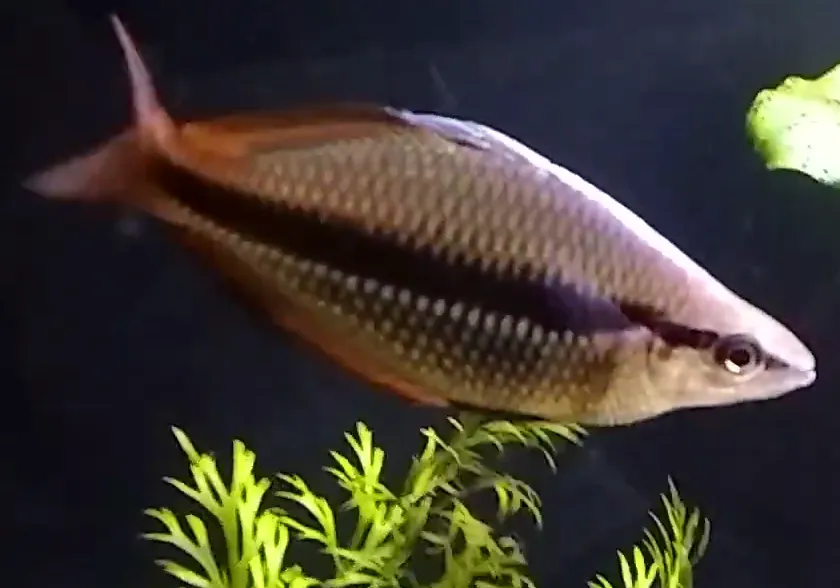
Banded Rainbowfish with dark stripe and orange fins swimming near green plants
written by image

by Happy Pet TeamUpdated on 2 Dec 2025

The Banded Rainbowfish (Melanotaenia trifasciata) is a beautiful freshwater fish, characterized by a silvery-blue colour with three black horizontal bands on the flank. The males are brighter than females, especially in their breeding stages.

These energetic fish are strong, powerful, and excellent community tank dwellers. Their finny nature and radiating colors are a pleasure for novice as well as veteran aquarists. Banded rainbowfish prefer to flourish in a school of 6 or more, promoting schooling behavior in the wild and reducing stress.

Origin of the Banded Rainbowfish

Banded Rainbowfish are indigenous to Northern Australia, living in rivers, lakes, and freshwater streams with low-to-medium vegetation. Moderately alkaline clear water in their natural environment sustains Banded Rainbowfish, which live on minute invertebrates, plankton, and algae. That has enabled them to thrive in aquariums all over the globe.

Temperament of the Banded Rainbowfish

Banded Rainbowfish are peaceful, gentle, and energetic fish that swim and play with the environment constantly, and therefore end up being an interesting group of fish to watch in community tanks. Being peaceful naturally, but having mild dominance when breeding, the males do not actually attack any other fish effectively.

Banded Rainbowfish Compatibility with Other Fish

Banded Rainbowfish will thrive in community tanks and get along with:

  1. Tetras, danios, and guppies
  2. Corydoras and small catfish
  3. Peaceful other rainbowfish

Avoid:

  1. Large predatory fish
  2. Territorial or competitive species that can stress them

Price Range of the Banded Rainbowfish

Banded Rainbowfish are ubiquitous and mid-priced. They are available for ₹300–₹800 ($4–10) per fish based on size, age, and color. Breeding adults are pricier since they have brighter, bolder stripes.

Characteristics

Temperament

Aggressive

Friendly

Compatibility with other fishes

Not Friendly

Super Friendly

Habitat Size

Small

Large

about image

Habitat Requirements of the Banded Rainbowfish

Initial Setup Cost

₹4,000 - ₹12,000

Water Temperature

24º -28ºC

Water Type

Fresh Water

PH Level

6.5 - 7

Tank Setup

  1. Minimum tank capacity: 30 gallons for a small school
  2. Suggested: 50 gallons or more for schools or community tanks
  3. Features: open swimming spaces, vegetation, and hideaways

Water Conditions

  1. Temperature: 24–28°C (75–82°F)
  2. pH level: 7.0–8.0
  3. Water hardness: 8–15 dGH

Environment Needs

  1. Substrate: sand or fine gravel
  2. Plants: Java moss, Anubias, or Vallisneria as hideaway
  3. Decorations: rocks, driftwood, or floating plants
  4. Lighting: moderate to highlight coloration

Essential Equipment

Aquarium tank

Water filter

Heater

Light

Substrate

Nutritional Guide of the Banded Rainbowfish

Avg Monthly Expenses

₹80 - ₹ 150

Banded Rainbowfish are omnivorous and can thrive on a well-balanced diet:

  1. Staple: High-quality flakes or pellets
  2. Protein: Brine shrimp, daphnia, or bloodworms
  3. Vegetables: Spirulina flakes, zucchini or blanched spinach

Feeding Tips:

  1. Feed 2-3 times a day in small servings
  2. Alter diet to maintain color and overall condition in optimum condition
  3. Discard leftover food to prevent water pollution
about image

Health & Care of the Banded Rainbowfish

Common Health Issues

Fin rot

White spot / ick

Fungus

Swim bladder inflammation

Bacterial infections

Velvet disease (yellowish-brown spots on the skin)

Signs of good health

Active

Bright coloration

Good apetite

Signs of sickness

Loss of appetite

Lethargic behaviour

Dull coloring

Tattered fins

White growths

Common Issues of the Banded Rainbowfish

Swim Bladder Disease

Impacts swimming performance and swimming behavior, typically caused by constipation or overfeeding.

  1. Symptom: Lethargic swimming, floating sideways, or sinking
  2. Cure: Starve fish for 24 hours and feed on blanched peas; maintain clean water

Lymphocystis

Viral skin disease, producing small white or light gray papules.

  1. Symptom: Bubbles on body or fins
  2. Cure: Quarantine infected fish and maintain water clean; should recover on its own

Bacterial Eye Infection

Bacteria from wounds or dirty water environments infect eyes.

  1. Symptom: Cloudy or reddened eyes
  2. Cure: Medicate with antibacterial and water condition change

Prerequisites for a Fish

Adequate tank space

Cleanliness

Effort & commitment

Enriching Environment

written by image

Written by

Happy Pet Team

Author

Team Happy Pet is a passionate collective of pet experts, enthusiasts, and advocates dedicated to sharing trusted and insightful content.

Our cont
 

Frequently Asked Questions

What should I feed my Banded Rainbowfish?

They thrive on a varied diet that includes high-quality flake food, pellets, and live or frozen foods like brine shrimp and daphnia. Including vegetable matter like blanched spinach or spirulina flakes is also beneficial.

Can Banded Rainbowfish live with other fish?

Yes, they are generally peaceful and compatible with other non-aggressive fish species. However, they can be slightly territorial, especially during breeding.

How can I tell if my Banded Rainbowfish is healthy?

Healthy Banded Rainbowfish are active swimmers, have bright coloration, and display a good appetite. Regular observation and monitoring of water quality can help maintain their health.