
Home
/
Fish species
/
Bala Shark
Bala Shark
Origin
South East Asia
Habitat Size
150 - 400 Liters
Water Type
Fresh Water
Water Temperature
22º-28ºC
Cost in India
₹200 - ₹300
Size
6 - 14 inches (Medium)
Diet
Omnivore

by Happy Pet TeamUpdated on 2 Dec 2025
Bala Shark Fish Guide
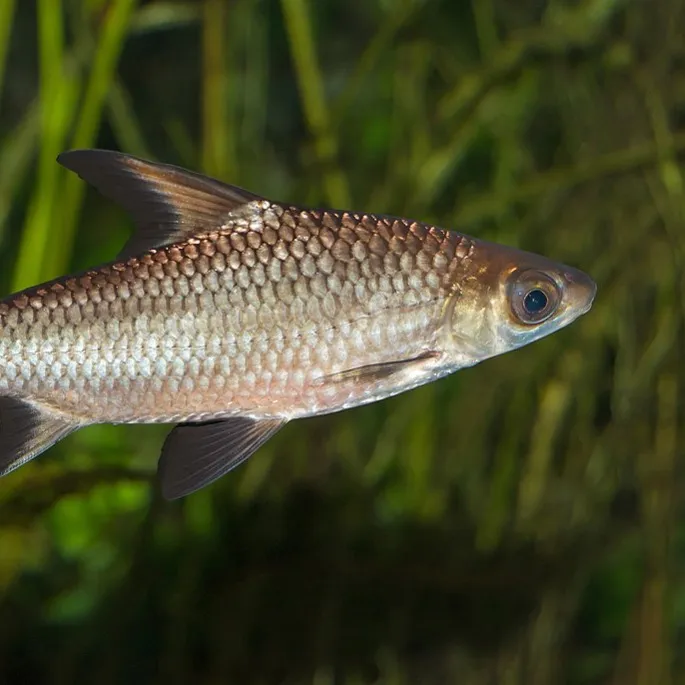
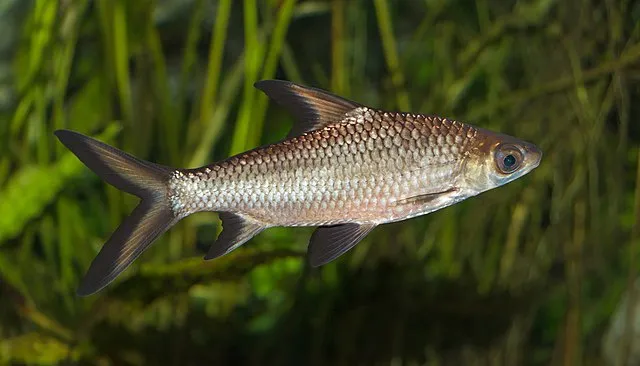
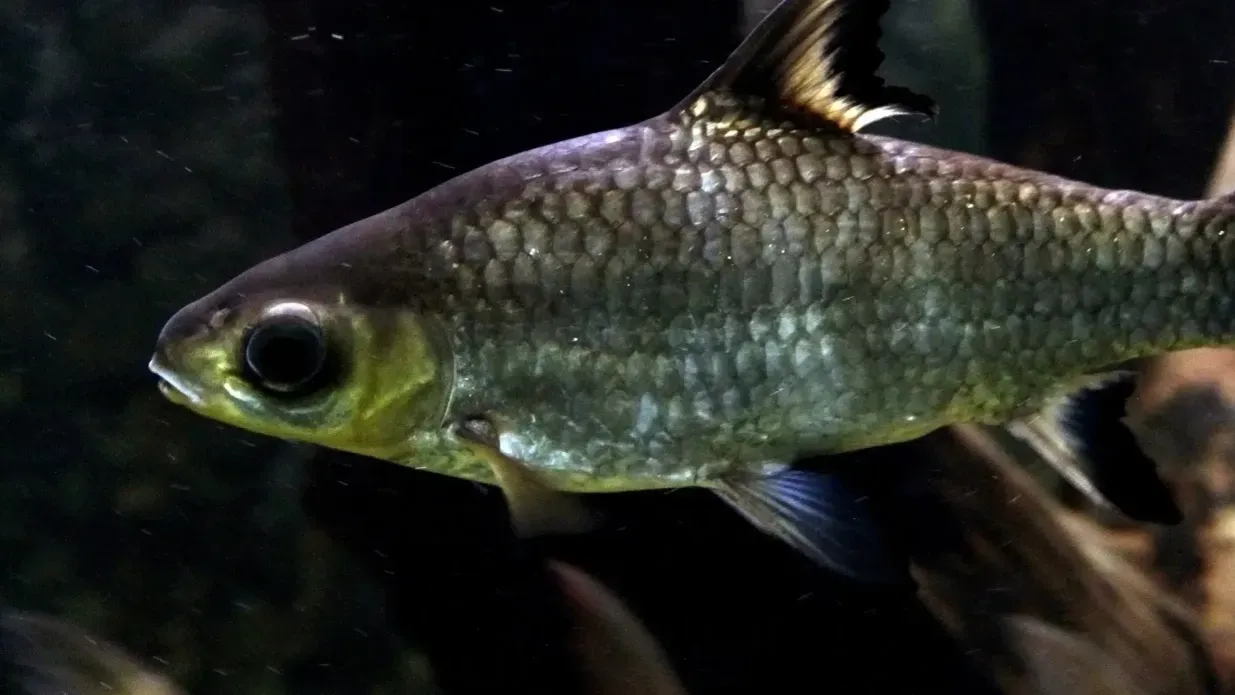
The Bala Shark (tricolor shark) is a freshwater fish that looks a bit like a miniature shark — it has a silver, streamlined body and black-edged fins, which makes it stand out. Despite its “shark” name, it is actually from the carp (cyprinid) family. It’s popular in home aquariums because it’s active, eye-catching, and swims in mid-to-top areas of the tank. What makes it unique is that although it may start small and look manageable, it actually grows to a much larger size than many buyers expect.
Origin
- The Bala Shark originally comes from Southeast Asia — especially river systems in Thailand, Sumatra, and Borneo.
- In the wild, its numbers have declined because of habitat loss and over-fishing for the aquarium trade, making it a species of concern.
Bala Shark Temperament
- Peaceful by nature and generally good - it’s often called a “gentle giant”.
- But it is very active, needs space to swim, and can become stressed if kept alone or in too small a tank.
- It schools (likes being in groups), and when only one or two are present, it may hide a lot or become shy.
Compatibility
- Lives well with other large, non-aggressive fish that can keep up with its active swimming style, such as:
- Rainbowfish
- Tetra
- Rasbora
- Gourami
- Other Bala Sharks
- Avoid very small fish (they may be eaten) and very aggressive species that will bully the Bala Shark.
Bala Shark Price in India
- In India, the Bala Shark is available for roughly ₹ 90-₹ 150 for juvenile size (~3 inches) in many online retail stores
Characteristics
Temperament
Aggressive
Friendly
Compatibility with other fishes
Not Friendly
Super Friendly
Habitat Size
Small
Large


Bala Shark Habitat Requirements
Initial Setup Cost
₹10,000 - ₹30,000
Water Temperature
22º -28ºC
Water Type
Fresh Water
PH Level
6 - 8
Tank Type
- Freshwater only
Bala Shark Aquarium Size
- Because they grow big (up to ~30–35 cm / ~12–14 inches) and are active swimmers, a very large tank is needed
- Many sources recommend at least ~125 gallons (≈ 500 liters) for adults and especially if keeping a group
Water Conditions
- Temperature: 22 °C to 28 °C (≈ 71 °F to 82 °F)
- pH level: approx. 6.0 to 8.0
- Water hardness: soft to medium; e.g., around 5-12 ° dH
Bala Shark Environment Needs
- Provide an open swimming space in the central area of the tank, since they move fast
- Plants, driftwood, or rocks placed on the sides/back can serve as shelter to reduce stress
- A tight-fitting lid is recommended since Bala Sharks are known to jump when startled
- Effective filtration and oxygen travel through the water are recommended in the tank because they prefer water that flows and holds oxygen properly
Essential Equipment
Aquarium tank
Water filter
Heater
Light
Substrate
Decor
Bala Shark Nutritional Guide
Avg Monthly Expenses
₹200 - ₹ 300
Diet Type

- Omnivore (they eat both animal-based foods and plant/vegetable matter)
Bala Shark Suitable Foods
- High-quality flakes or pellets as staple food
- Occasional live or frozen foods like brine shrimp, bloodworms, and insect larvae
- Vegetable matter or algae-based foods can also be offered
Feeding Frequency & Tips
- Feed small amounts 1-2 times a day rather than a big meal all at once
- Watch how much they eat and remove leftovers so water stays clean
- Because they grow large, ensure the diet supports growth and health

Bala Shark Health & Care
Common Health Issues
Fin rot
White spot / ick
Fungal infections
Swim bladder disease
Bacterial infections
Parasites
Signs of good health
Active
Bright coloration
Good apetite
Signs of sickness
Loss of appetite
Lethargic behaviour
Dull coloring
Tattered fins
Swimming abnormally
In addition to taking care of clean water and enough room to swim, here are some early warnings that a Bala Shark may sicken:
White Spot Disease (Ich)
When kept in poor conditions, at low temperatures, or alone, Bala Sharks are susceptible to white spot disease, recognizable by small white spots on the body and fins, rubbing against decorations in the tank, lethargy, and loss of appetite. Treatment consists of slightly raising the temperature of the water, improving the quality of the water (through frequent water changes), and suitable medication if needed. It is best avoided by keeping water clean and stable, and having a school of fish.
Stress & Jumping Injuries
These fish swim and jump actively. They can bang against the aquarium's lid or jump out of an aquarium if spooked. They can injure themselves. This leads to infection or internal damage. These risks can be reduced via the provision of proper hiding areas, minimizing stressors, ensuring proper water flow, and keeping these fish in appropriate numbers. Someone should clean a wounded fish and watch for infection.
Growth-related Problems
When bred inside aquariums too small, they can become stunted, deformed, and live shorter lives. Water of poor quality or imbalanced nutrients can cause the liver or the kidney to fail, the swim bladder to have problems, and even cause weakness in fish. This animal requires a tank of the proper size (see above), good water quality, and a varied, nutritious diet for keeping it. Check for ammonia, nitrite, nitrate, and pH often.
Bala Shark General Health Tips
- Consistent feeding, cleaning, and check-ups can help the animal feel secure within
- Adding new tank mates or decorations with care slowly might help keep the fish from becoming startled
- A secure lid is preferred to reduce escapes, and the aquarium should be kept away from noise sources and vibrations
Prerequisites for a Fish
Adequate tank space
Cleanliness
Effort & commitment
Enriching Environment

Written by
Happy Pet TeamAuthor
Team Happy Pet is a passionate collective of pet experts, enthusiasts, and advocates dedicated to sharing trusted and insightful content.
Our cont
Frequently Asked Questions
Are Bala Sharks aggressive?
No, Bala Sharks are generally peaceful and do well in community tanks with other similarly sized and temperamentally compatible fish.
Are Bala Sharks suitable for beginners?
Bala Sharks are best suited for aquarists with intermediate experience due to their size and specific care requirements.
What are common health issues for Bala Sharks?
Common health issues for Bala Sharks include fin rot, white spot (ich), swim bladder disease, fungal infections, bacterial infections, and parasites.