
Home
/
Fish species
/
Adolfo's Corydoras
Adolfo's Corydoras
Origin
Brazil
Habitat Size
50 - 150 liters
Water Type
Fresh Water
Water Temperature
22º-26ºC
Cost in India
₹80 - ₹150
Size
2 - 2.5 inches (Small)
Diet
Omnivore
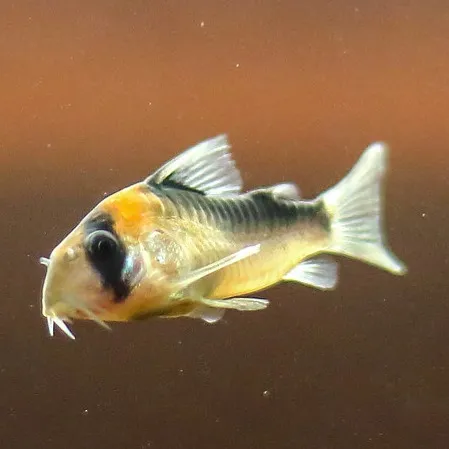
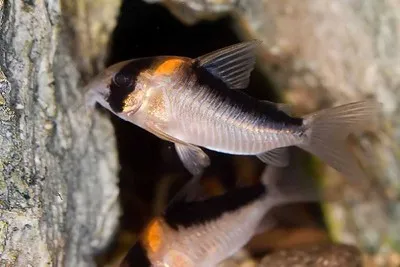
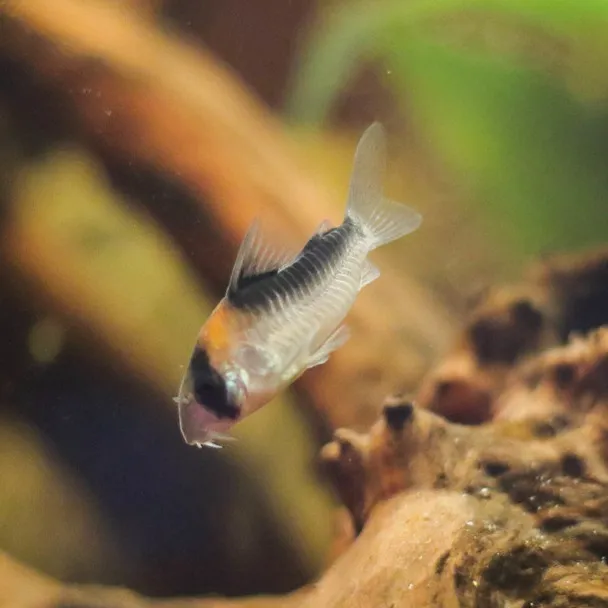
Adolfo’s Corydoras Fish Introduction
Adolfo’s Corydoras, also known as Corydoras adolfoi, is a small freshwater catfish that stands out with its bright orange patch on the head and a bold black stripe across its body. Growing to about 5–6 cm, it is admired by aquarists for its peaceful nature and striking appearance. Its calm personality and unique colors make it a favorite choice for many community aquariums.
Characteristics
Temperament
Aggressive
Friendly
Compatibility with other fishes
Not Friendly
Super Friendly
Habitat Size
Small
Large


Adolfo’s Corydoras Habitat Requirements
Initial Setup Cost
₹4,000 - ₹12,000
Water Temperature
22º -26ºC
Water Type
Fresh Water
PH Level
6 - 7.5
Adolfo’s Corydoras Tank Type
Essential Equipment
Aquarium tank
Water filter
Heater
Light
Substrate
Decor
Adolfo’s Corydoras Nutritional Guide
Avg Monthly Expenses
₹80 - ₹ 150
Adolfo’s Corydoras Diet Type


Adolfo’s Corydoras Health & Care
Common Health Issues
Fin rot
White spot / ick
Fungus
Bacterial infections
Dropsy (swollen abdomen)
Swim bladder disease
Signs of good health
Active
Bright coloration
Good apetite
Undamaged fins
Signs of sickness
Loss of appetite
Tattered fins
Lethargic behaviour
Dull coloring
Swimming abnormally
Adolfo’s Corydoras Common Health Issues
Prerequisites for a Fish
Adequate tank space
Effort & commitment
Cleanliness
Enriching Environment
Frequently Asked Questions
Are Adolfo's Corydoras suitable for community tanks?
Yes, Adolfo's Corydoras are peaceful and do well in community tanks with other non-aggressive fish.
What are common health issues that affect Adolfo's Corydoras?
Common health issues include fin rot, ich, and bacterial infections, which can be prevented by maintaining good water quality, a balanced diet, and regular tank maintenance.
What kind of diet do Adolfo's Corydoras require?
Adolfo's Corydoras are omnivores and thrive on a varied diet of high-quality flake or pellet food, supplemented with live or frozen foods such as bloodworms, brine shrimp, and daphnia.